
Moving to Lebanon Oregon: What You Need To Know Before Buying
Moving to Lebanon, Oregon: What You Need to Know Before Buying
If you’re thinking about moving to Lebanon, Oregon, you’re not alone. Nestled in the heart of the Willamette Valley, Lebanon has become an increasingly popular choice for homebuyers looking for affordability, space, and a strong sense of community, without sacrificing access to larger cities like Albany, Corvallis, and Salem.
Whether you're relocating for work, looking for more land, or simply want a slower pace of life, here’s what you should know before buying a home in Lebanon.
1. Lebanon Offers More Value for Your Money
One of the biggest reasons buyers are drawn to Lebanon is affordability. Compared to neighboring markets like Corvallis or even parts of Albany, Lebanon often offers larger homes, bigger lots, and more land for a lower price point.
This makes it especially appealing for:
-
First-time buyers
-
Families needing more space
-
Buyers looking for acreage or shop properties
-
Investors seeking long-term appreciation
If your goal is to maximize lifestyle without stretching your budget, Lebanon deserves a close look.
2. The Lifestyle is Slower—but That’s the Appeal
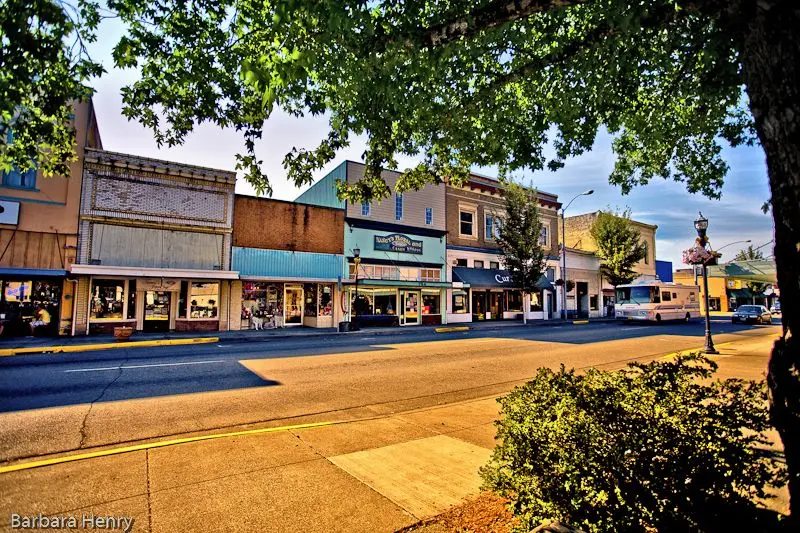
Lebanon has a strong small-town feel. Life moves at a different pace here. You’ll find local coffee shops, family-owned businesses, community events, and easy access to the outdoors.
For many buyers, the appeal includes:
-
Less traffic
-
More privacy
-
A stronger sense of community
-
Easier access to hunting, fishing, camping, and hiking
It’s ideal for people who value space, simplicity, and outdoor living.
3. Location Still Matters
Lebanon gives you a strategic location in the valley. While it feels tucked away, you’re still close to major employment hubs:
-
Albany: ~20 minutes
-
Corvallis: ~30 minutes
-
Salem: ~35–40 minutes
-
Eugene: ~1 hour
That makes it a solid option for commuters who want more house without paying city premiums.
4. Know the Different Areas of Town
Not all parts of Lebanon feel the same.
Some buyers prefer established neighborhoods closer to downtown with mature trees and larger lots. Others want newer subdivisions on the edge of town. And many are specifically looking for rural properties just outside city limits.
A few things to consider:
-
Commute times
-
Flood zones in certain areas
-
Septic vs. city sewer
-
Well water vs. public water
-
Zoning if you want animals, shops, or business use
Understanding these details before buying can save you major headaches later.
5. The Market Moves Differently Here
Lebanon’s market isn’t as fast-paced as Portland, but well-priced homes still move quickly—especially clean properties under median price points or acreage properties with usable land.
What buyers should watch:
-
Older homes needing updates
-
Manufactured homes on land
-
Properties with deferred maintenance
-
Unique rural financing challenges
Working with an agent who understands both in-town and rural properties matters here.
6. Think Long-Term
Lebanon has seen steady growth over the last several years, driven in part by healthcare expansion, manufacturing, and buyers being priced out of neighboring cities.
If you're buying here, think beyond today:
-
Will the property still fit your needs in 5 years?
-
Is there room to add value?
-
How will resale look down the road?
Buying smart in Lebanon isn’t just about getting a deal; it’s about positioning yourself well for the future.
Final Thoughts
Lebanon offers a unique mix of affordability, community, and opportunity. For buyers wanting more space, a quieter lifestyle, or access to rural properties without leaving the Willamette Valley, it’s one of the best markets to watch.
The key is understanding what you’re buying, where you’re buying, and how it fits your long-term goals.
If you’re considering buying a home in Lebanon or the surrounding areas, I’d be happy to help you navigate the market and find the right fit.
Categories
Recent Posts